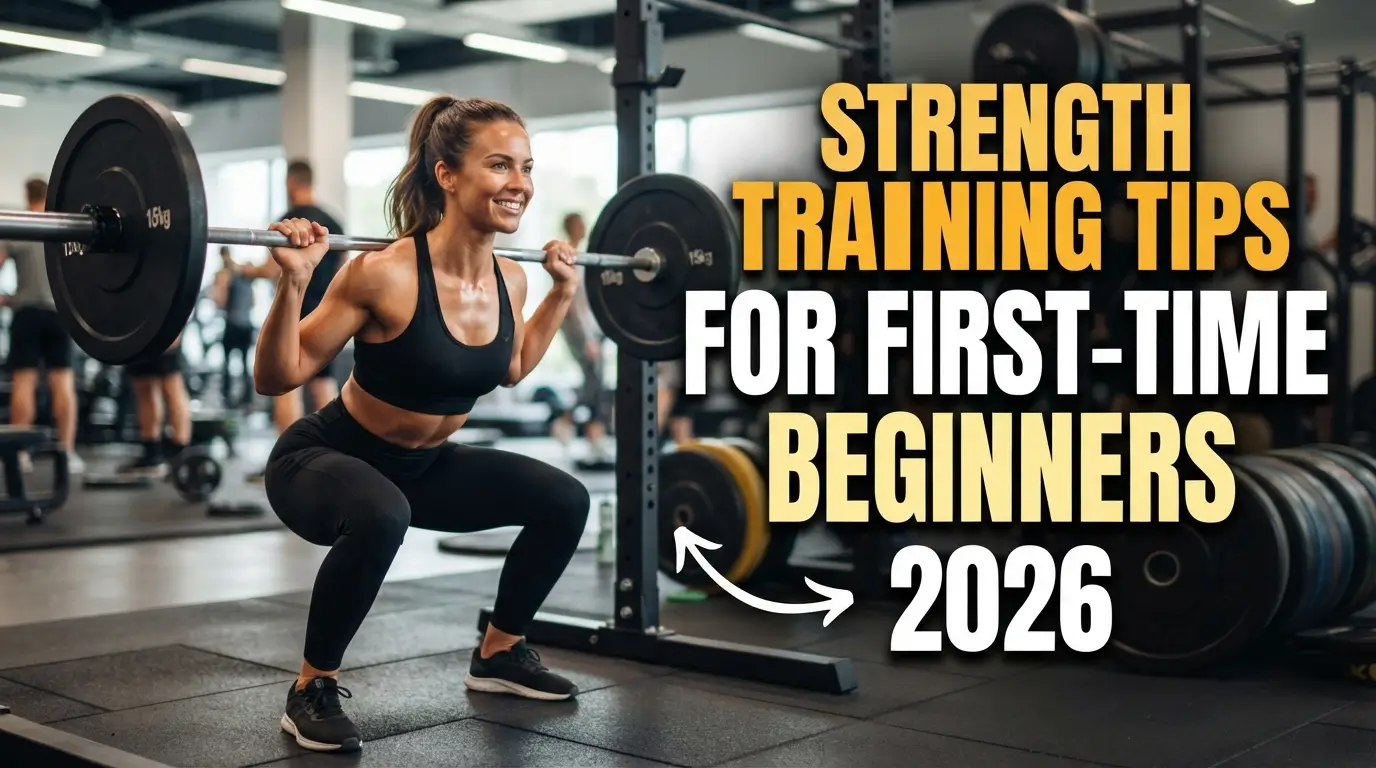
The first time I was in a weight room, I… I was at the door. Heavy barbells dropped by large guys. Machines looked complicated. Strength Training Tips for First-Time Beginners I looked back and headed back to the treadmills. The fear of the gym can be a reality. The environment seems like everything is against you, you want to build muscle and improve your health.
You need not feel this way. Struggling beginners of strength training find it easy once they learn the basics. There is no need to have big biceps or expertise. Strength Training Tips for First-Time Beginners All you have to do is have a plan.
This guide takes away the guesswork. We teach you exact prices, movements and the exact steps for creating your first routine.
What Is Strength Training?
Strength training involves resistance to build muscle, build strength and improve endurance. Challenge the central nervous system with free weights, machines or body weight.
It is for everyone. The ACSM guidelines suggest resistance training for everyone over the age of 18. It helps elderly people to retain bone density and prevent falls.
Why Start Lifting Weights?
Working out to build muscle alters the body’s chemistry. It boosts your metabolic rate (BMR), or the rate at which your body burns calories. This means you burn calories sitting on the couch.
Working out also stimulates protein building. Muscles recover and regenerate. This process strengthens and makes joints better. They build up stronger tendons. You decrease the chance of being injured in everyday circumstances.
Sometimes, new users mistakenly think that muscle fatigue is a form of joint pain. Muscle fatigue is a burning sensation while exercising. This indicates an increase in the level of lactic acid. Joint pain is an intense pain in the joints of your knees or elbows. Fatigue is good. If you’re experiencing pain in the joints, you should slow down and correct the posture.
5 Basic Movement Patterns for Beginners
Don’t be concerned about muscle by muscle. Strength Training Tips for First-Time Beginners Focus on movements. There are 5 basic patterns of movement in your body. Prep these for more advanced lifts.
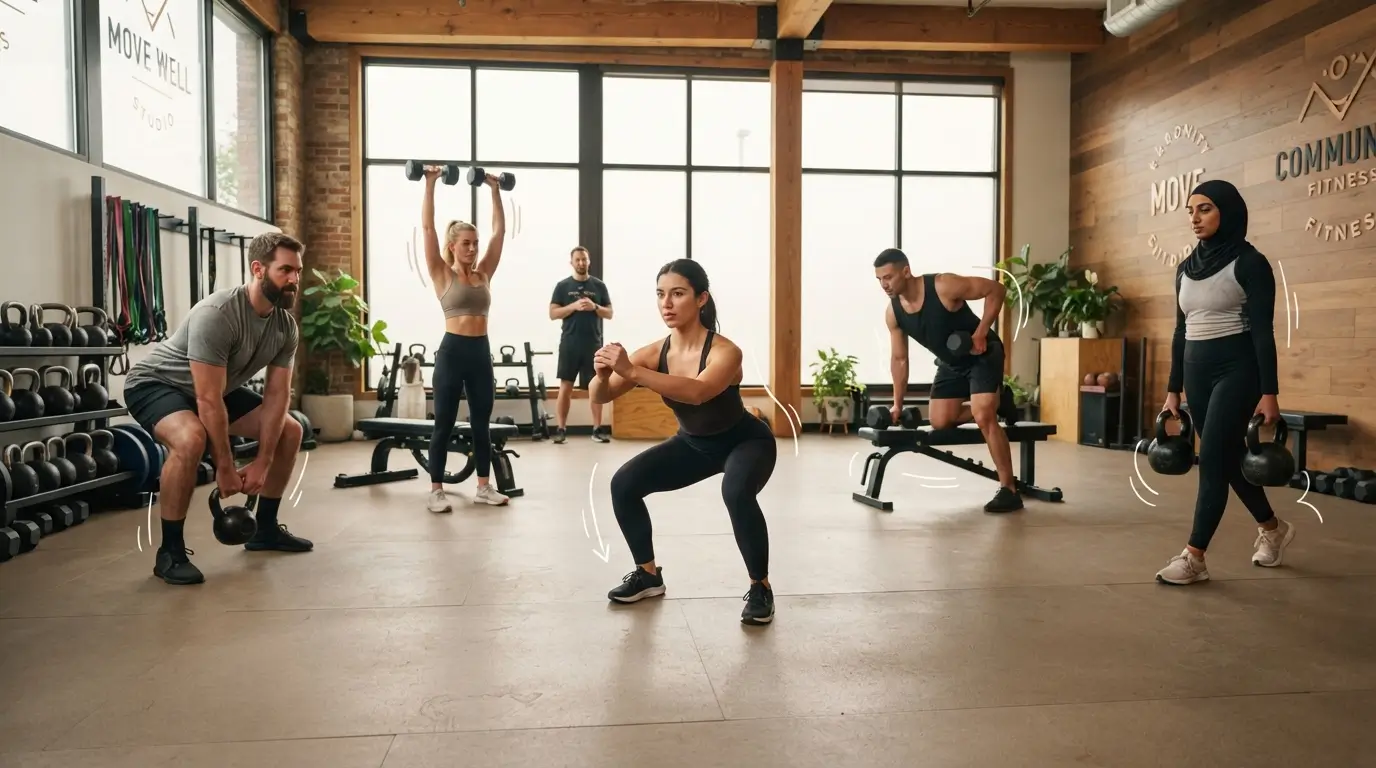
- Squat: Bend knees and bend hips. Examples are bodyweight squats or goblet squats.
- Hinge: Hinging back with your hips. These could be glute bridges or deadlifts.
- Push: Weight away from chest or shoulders. These can include push-ups, overhead press, etc.
- Pull: Moving towards the body. Examples are dumbbell rows or pull-ups.
- Carry: To carry a heavy object while walking. Examples may be farmer walks.
Home Workouts vs Gym Memberships
You have to make decisions regarding the location of the training. Strength Training Tips for First-Time Beginners Both options work. It will depend on your budget and personality.
Training at Home
A home gym is an extremely space-efficient option. You are not surrounded by people and do not have to deal with rush hour. Strength Training Tips for First-Time Beginners The equipment is not provided, so you will need to purchase your own. The range of adjustable dumbbells are worth $30 to $100. Resistance bands cost $15.
Pros:
- Zero gym anxiety.
- No monthly fees.
- Open 24 hours a day.
Cons:
- Limited weight options.
- No professional spotters.
- Space constraints.
Joining a Gym
Commercial gyms offer classes, machines and free weights. There’s a wider choice. The pricing is subject to city-to-city. Strength Training Tips for First-Time Beginners The cost of renting a local YMCA or a community center is about $20 to $40 per month. The premium regional clubs are $100 to $150 a month.
Pros:
- Access to heavy barbells, squat racks.
- Structured environment.
- Group fitness options.
Cons:
- Commute time.
- Intimidating to some individuals.
- Monthly recurring costs.
Finding Beginner Friendly Gyms Near Me
Research a gym if you select one. Strength Training Tips for First-Time Beginners Type “beginner friendly gyms [City]” into Google. Read the reviews. Check for comments regarding the employees and cleanliness.
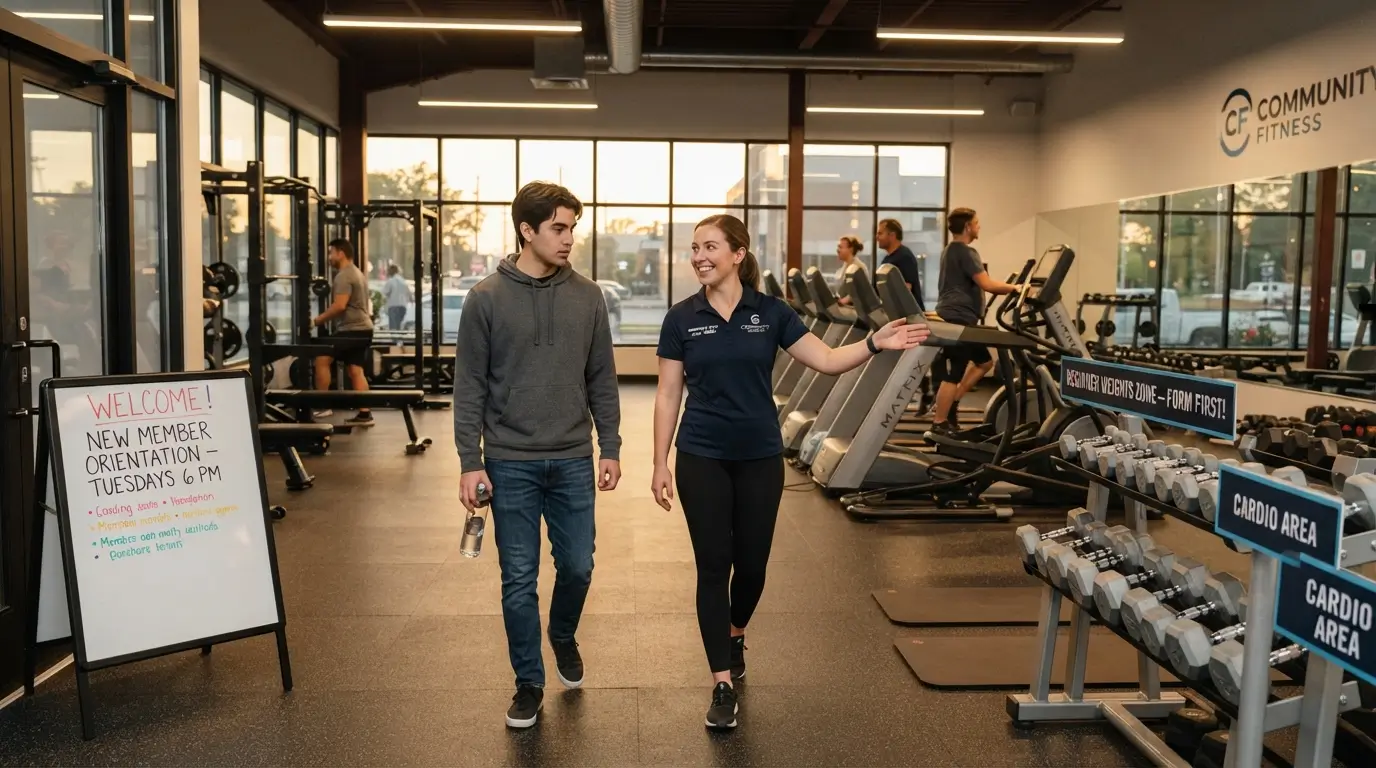
Go take a tour. Come visit the facility at 5 PM on a Monday. This is peak time. Check to see if the gym is too large for comfort. Inquire with the manager about introductory classes.
Try hiring a personal trainer from your area for a month. Form is taught to you by a trainer and his confidence is developed by you. Look up affordable personal trainers [City]. Inquire about their qualifications. Look for a coach that’s certified in the National Academy of Sports Medicine, ACE, or ISSA.
How to Start Lifting Weights Beginner Guide
To start your journey, follow these same steps. Start here.
- Assess mobility: Try to sit in a deep squat. Strength Training Tips for First-Time Beginners Perform some shoulder mobility exercises to see if they cause any pain. If you have had previous joint problems or heart disease, seek medical advice.
- Purchase simple home furniture or get a gym membership.
- Learn body movements: Work on push-ups, lunges and planks. Shape is more important than weight.
- Increase difficulty: Hold a dumbbell. Maintain a light weight. Beware of the route.
- Record workouts: Record sets, reps, and weights in a workout notebook.
Beginner 3-Day Workout Split
Beginners need rest. Train 2 to 3 days a week but not back to back. Follow this simple process.
| Training Day | Focus Area | Example Exercises |
|---|---|---|
| Tuesday | Chicken Wings | Lateral raises, Shoulder pressers, Wide dumbbell presses |
| Wednesday | Full Body | Dumbbells rows, Glute bridges |
| Friday | Full Body Mixed | Farmer Carries, Lunges, Planks |
Essential Gym Terminology
There will be bizarre terminology used in the fitness field. Read and know these terms, they’ll help you with your program.
What Is Progressive Overload?
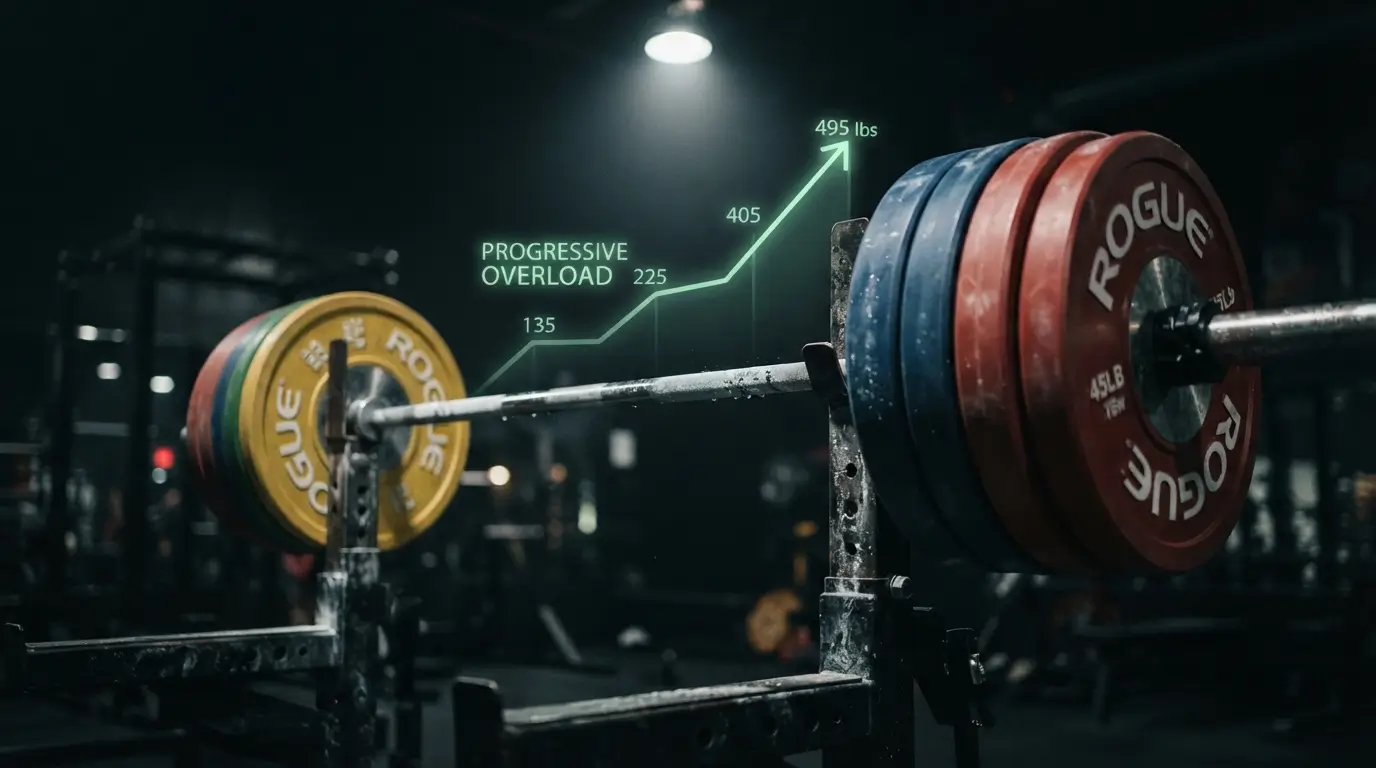
Progressive overload refers to the gradual improvement of physical stresses placed on your body over time. Strength Training Tips for First-Time Beginners You lift more weight, more reps or decrease rest periods to encourage muscle growth.
What Is Hypertrophy?
Hypertrophy is the enlargement and expansion of the muscle cells. Strength Training Tips for First-Time Beginners It is a process that happens after you injure the muscle fibres with exercise and heal with rest and food.
Rate of Perceived Exertion (RPE): A scale ranging from 1 to 10. Says something about the difficulty of doing an exercise. The RPE for beginners is 7. There should be 3 more reps in the tank when you feel it. Don’t use One Rep Max (1RM) testing for advanced lifters.
Also Read: Affordable Safe Home Workouts for Pregnant Women 2026
Volume and Intensity: Volume is the total amount of sets and reps that you perform. Intensity: how much weight you are lifting.
Common Mistakes to Avoid
The same mistakes are made by many first timers. So, avoid these to remain healthy.
- Ego Lifting: If a weight is too heavy, it will affect your form. Form over load is the golden rule. Who cares if you lift up a lot or not.
- Cool Down: A cool muscle tears. Do arm circles and walking lunges for 5 minutes.
- The Valsalva Maneuver Raises Blood Pressure: Hold your breath. Push/pull weight by exhaling. Take a breath in when bringing it down.
- Ignore Nutrition: Without calories and protein, you can’t build muscle! Eat whole foods.
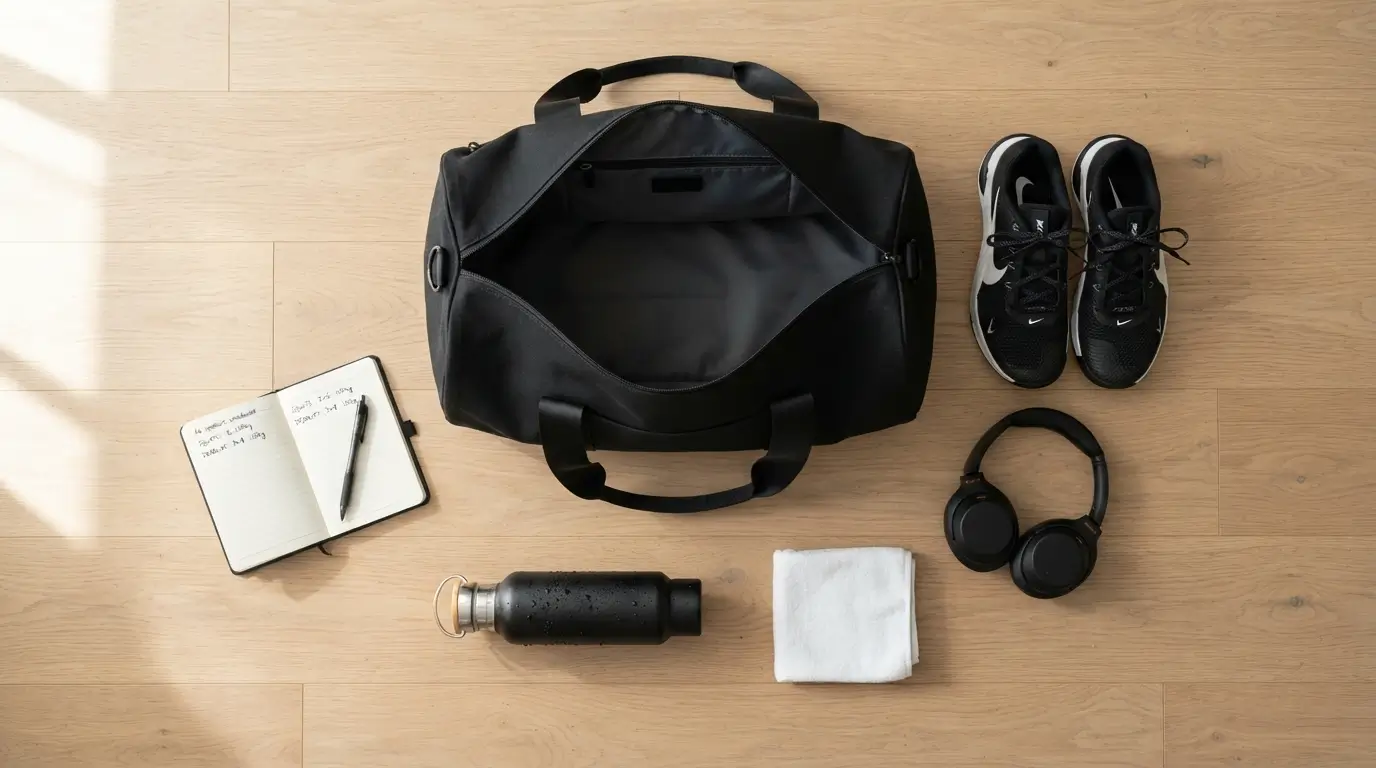
The Gym Bag Checklist
Pack these items prior to leaving the house. A bag that is ready takes away any excuses.
- Flat shoes: Running shoes have squishy soles. Rigid shoes help stabilize squats.
- Water bottle: Drink water to avoid cramps.
- Small towel: Use to clean up machines after use. It’s just good gym manners.
- Headphones: Music helps to drown out distractions.
People Also Ask
How Much Weight Should I Start Lifting?
Use the lightest weight that can be used. Strength Training Tips for First-Time Beginners A good starting point would be a 5-pound or 10-pound dumbbell. Goal of the first month: learn the movement path. Add weight when you’re able to do 12 reps with good form.
How Long Should a Beginner Workout Last?
A first session will take about 30 to 45 minutes. This includes a warm up period of five minutes, and a cool down period. There is no need to come to the gym for two hours. It’s the quality that counts, not the quantity in time.
Is 20 Minutes of Strength Training Enough?
Yes. Beginners can get a considerable stimulus when they are doing 20 minutes of intense lifting. Three compound exercises in this timeframe. It’s an ideal time schedule for busy parents or professionals.
Will Lifting Weights Make Me Bulky?
No, it will take years of serious eating and extreme volume to build up large amounts of muscle. Standard resistance program builds lean dense muscle. This helps to eliminate body fat and provides a toned look.
What Is DOMS and How Do I Fix It?
Delayed Onset Muscle Soreness (DOMS) is a term used to describe muscle soreness that develops over time. The pain that occurs 24 to 48 hours after exercise. This can’t be completely corrected. You manage it. Hydrate, eat protein and do a light walk to increase circulation.
How Many Days a Week Should a Beginner Lift Weights?
The ideal time is 2 to 3 days. Your muscles build when you REST, NOT when you lift. Any kind of lifting done every day is a recipe for burnout and injury. Avoid more than one session a day.
Are Machines or Free Weights Better for Beginners?
Machines can be very useful for isolation and safety. They make you go on a certain road. Free weights provide balance and core strength. They are both used in a good beginner’s workout. Begin using machines to develop the sensation of using the muscle, then move on to free weights.
The Next Step
You have the facts. Strength Training Tips for First-Time Beginners You understand the equipment you need to purchase and where to get a facility. You know the language and the gaits.
Pack your bag. Pick a time on your calendar. Do the first exercise workout. Put fear to the side and begin to develop your body.




3 Comments
[…] Also Read: Strength Training Tips for First-Time Beginners 2026 […]
[…] Also Read: Strength Training Tips for First-Time Beginners 2026 […]
[…] Also Read: Strength Training Tips for First-Time Beginners 2026 […]